
How Long Do Battery Energy Storage Systems Last?
22 Sep, 2026
 Think Hire
Call Now 0330 133 2222
Search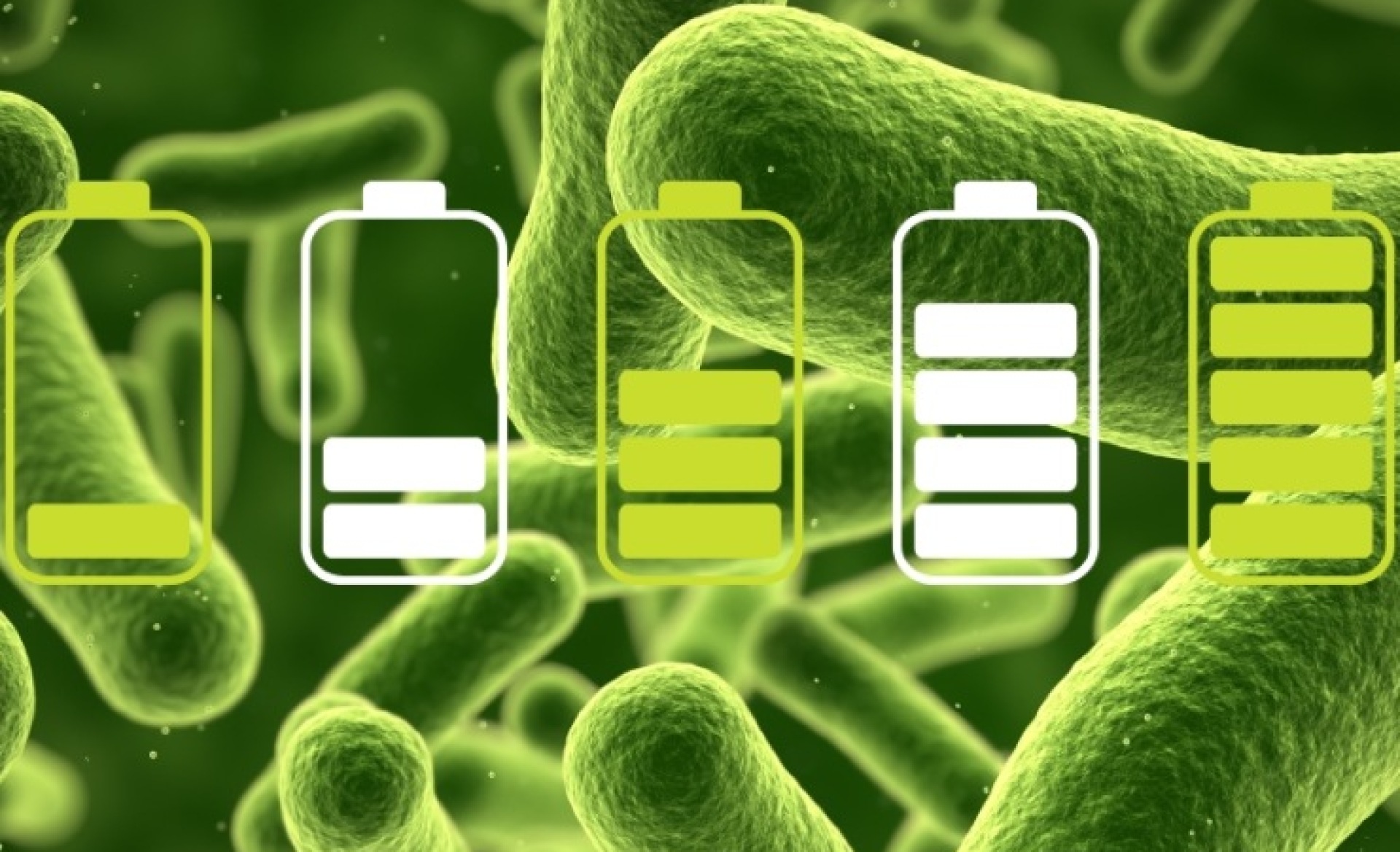
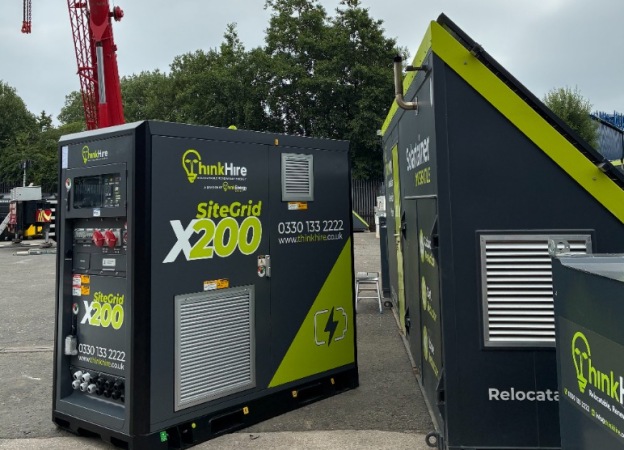
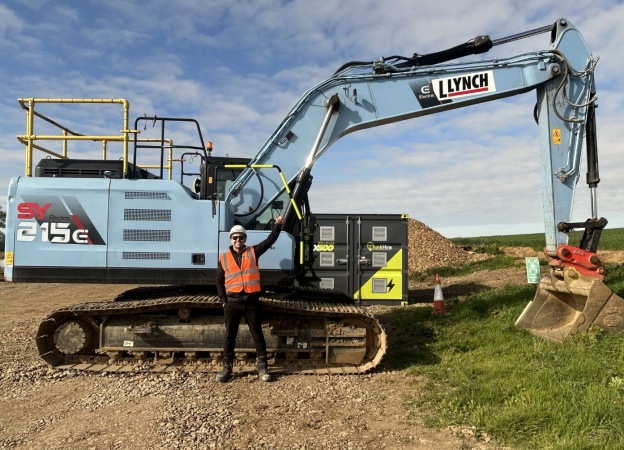
Portable battery packs, such as those used in electric vehicles and Think Hire’s SiteGrid X3, have been key to the development of environmentally friendly technology. However, in some ways, they have become a victim of their own success.
The materials needed to manufacture new portable battery packs, such as lithium, nickel, cobalt and manganese, are now in very short supply. What’s more, extracting them has both environmental and social consequences. Chinese control over supply and processing of these rare earth elements further complicates the issue.
Fortunately, a team from the University of Edinburgh has found an innovative way to extract these elements from used batteries so that they can be used again. Remarkably, this process uses bacteria to filter out the metals.
The team, led by Professor Louise Horsfall, mixed bacteria with liquified battery waste. As part of their defence mechanism against the toxic waste, the bacteria synthesised nanoparticles of the metals. These can then be extracted and used in the manufacture of brand-new batteries.
“Bacteria are wonderful, little crazy things that can carry out some weird and wonderful processes,” explains Prof. Horsfall. “Basically, they latch on metal atoms and then they spit them out as nanoparticles so that they are not poisoned by them.”
Experts from the Edinburgh Genome Foundry have carefully selected and engineered bacteria to ensure the maximum effectiveness of the technique. The results have already been described as 100 times more sustainable than any current recycling process.
Crucially, the team have now begun to scale up their work, taking it from research in the lab to a practical, industrial scale solution. They are working with the Industrial Biotechnology Innovation Centre (IBioIC) at Herriot Watt University, as part of the £18million Reuse and Recycling of Lithium-Ion Batteries (ReLiB) initiative.
The project is an excellent example of the circular economy that is urgently needed to avoid waste and reduce our consumption of new raw materials, as Prof. Horsfall explains: “There is only a finite amount of these metals on Earth and we can no longer afford to throw them away as waste,” she says.
The team have already caught the imagination of the science community, collecting a number of prestigious awards. They collected the Environment, Sustainability and Energy Horizon Prize at the 2024 Royal Society of Chemistry Awards, while also winning the grand prize in Top 10 Global Science and Technology Innovation Awards at the 2050NOW La Maison’s global trends forum.
“Collaboration is essential to great science,” said Dr Helen Pain, Chief Executive of the Royal Society of Chemistry. “By working together across borders and disciplines, chemists (such as Prof. Horsfall and her team) are finding solutions to some of the world’s most pressing challenges.”
Prof. Horsfall was proud to accept such high-profile acclaim. “This is fantastic recognition for a technology with the potential to transform how we access and use the limited resources on earth,” she said. “We are proud we are shaping the future, making a difference, and leaving a positive legacy for generations to come”.
Here at Think Hire, we’re delighted to see such innovative advances in the manufacture and recycling of portable battery packs. This further enhances the sustainability of our own solar power technology and the portable battery packs that support it.
Renewable energy, such as solar power, is crucial to our Net Zero goals. However, it’s important that this transition to sustainable power is achieved in a way that protects the environment, rather than harms it. This new technology represents a big step forward in making Think Hire’s portable battery packs as sustainable as the solar energy that they store.
To find out more about renewable energy from Think Hire, and how we can help you transition to a more sustainable, environmentally friendly approach, get in touch today.
Speak to us today by filling in the form below